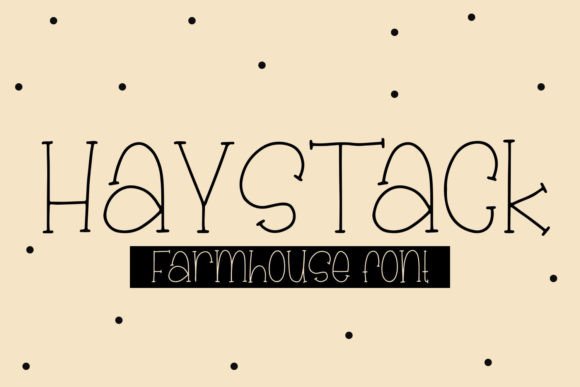
Haystack: A Quirky Handwritten Font for Expressive Web Design
Haystack is more than just a decorative script font—it’s a digital design asset that brings personality and warmth to modern web layouts. As a web designer, I’m always looking for typefaces that can enhance visual storytelling without sacrificing usability. Haystack, with its farmhouse Halloween vibe and playful handwritten charm, offers a unique blend of style and function. Whether you're designing a boutique shop, a creative portfolio, or a seasonal landing page, Haystack can be the standout element that elevates your brand tone and user engagement.
Understanding Haystack’s Visual Style and Digital Appeal
Haystack is a script font that mimics natural handwriting, complete with uneven strokes and organic spacing. Its farmhouse-inspired design gives it a rustic, approachable feel, making it ideal for brands that want to communicate warmth, creativity, and authenticity. Unlike overly formal script fonts, Haystack embraces a bit of whimsy, which makes it especially effective for seasonal or niche branding—think Halloween-themed promotions, artisanal shops, or lifestyle blogs.
What sets Haystack apart in a digital context is its clarity at larger sizes and its ability to stand out without overwhelming the page. It's not a font you'd use for body text, but as a display font, it shines in headlines, callouts, and decorative accents. The key is using it intentionally to guide visual hierarchy and reinforce brand personality.
Where to Use Haystack in Web and Digital Design
Haystack works best in areas where visual impact matters most. Here are some practical use cases:
- Hero Headers: Use Haystack for bold, seasonal headlines that immediately communicate your brand’s tone.
- Call-to-Action Buttons: For short phrases like “Shop Now” or “Join the Fun,” Haystack adds a human touch that can increase click-through rates.
- Logo and Brand Text: Especially for brands with a rustic or creative edge, Haystack can serve as a memorable logo typeface.
- Blog Graphics and Social Media Headers: Add visual interest to your content thumbnails and headers with a font that feels personal and expressive.
- Seasonal Banners: Perfect for Halloween campaigns, fall promotions, or holiday landing pages.
It’s especially effective in creative niches—think lifestyle bloggers, indie retailers, and wellness coaches—where authenticity and visual storytelling play a big role in user connection.
Readability and Responsiveness: What to Consider
While Haystack is highly expressive, it’s important to use it with readability in mind. At smaller sizes, the intricate strokes can blur together, making it harder to read—especially on mobile screens. For optimal performance, limit its use to larger text elements like headers, hero titles, and short decorative phrases.
When using Haystack over images or dark/light backgrounds, ensure there’s enough contrast. A light-colored Haystack on a dark background or with a subtle drop shadow can maintain legibility without losing its charm. Avoid using it over busy image overlays unless you’re applying it as an accent rather than a primary message.
Font Pairing Tips for Web Design
One of the best ways to integrate Haystack into a professional layout is through thoughtful font pairing. Since it’s a decorative script font, pairing it with a clean sans serif or a minimalist serif font creates a balanced visual rhythm. For example:
- Use Haystack for headlines and Montserrat or Open Sans for body text to maintain readability and contrast.
- Pair Haystack with a serif font like Merriweather for editorial-style layouts that still want a touch of whimsy.
- Combine it with a geometric sans like Poppins for a modern, yet expressive landing page.
The goal is to let Haystack be the visual anchor while keeping the rest of the typography grounded and functional. This approach supports both aesthetics and usability, especially in conversion-focused designs.
Technical Considerations for Web Use
When working with Haystack in web design, check the available styles, weights, and alternates included in the font package. Most modern script fonts come with multiple ligatures and stylistic sets that allow for customization. These features can help you avoid repetition and maintain a natural handwritten feel across different design elements.
Ensure the font is available in standard web formats like WOFF and WOFF2 for optimal browser compatibility. If you're using a content management system or a site builder like Webflow or WordPress, verify that Haystack is either hosted via a webfont service like Google Fonts or Adobe Fonts, or properly uploaded as a custom font asset.
Licensing and Commercial Use
As with any font used in web or digital design, licensing is crucial. Haystack is likely a premium font, so always confirm that the license allows for commercial use—especially when building client websites, online stores, or digital templates. Some fonts require separate licenses for desktop use versus web embedding, so be sure to read the fine print.
When using Haystack in brand kits or design assets for resale, ensure the license explicitly covers those use cases. Proper licensing not only protects you legally but also supports the designers behind the fonts you love.
Final Thoughts: Haystack in Your Design Toolkit
Haystack is a versatile script font that brings a sense of playfulness and craftsmanship to digital design. It’s not a one-size-fits-all solution, but when used thoughtfully, it can elevate your visual language and connect with your audience on an emotional level. Whether you're designing a seasonal campaign, a creative portfolio, or a niche brand identity, Haystack offers a distinctive voice that stands out in a sea of generic typography.
By balancing its expressive qualities with clean supporting fonts, responsive design practices, and smart layout choices, you can harness Haystack’s personality without compromising usability. In the world of modern web design, where first impressions matter, a font like Haystack can be the difference between a forgettable page and a compelling, brand-defining experience.